China Uncovered
BEIJING - XI'AN - GUILIN - SHANGHAI
[ OVERVIEW ]
Our flagship. The one we'd send our own family on.
Most China trips show you three great cities and call it China. This one does that — and then takes you south, to the river valley and limestone peaks that Chinese painters have been trying to capture for a thousand years.
Thirteen days: the imperial capital, the ancient capital, the river, and the city of the future.
Experience Details
Trip Duration
13 days 12 nights
Group Size
Your group only
Beijing 4, Xi'an 2, Guilin 1, Yangshuo 2, Shanghai 3
Where You Stay
Pricing
From AUD $5,980 per person
[ HIGHLIGHTS ]
Three thousand years, four cities, and a river you've seen on a banknote.
The Li River
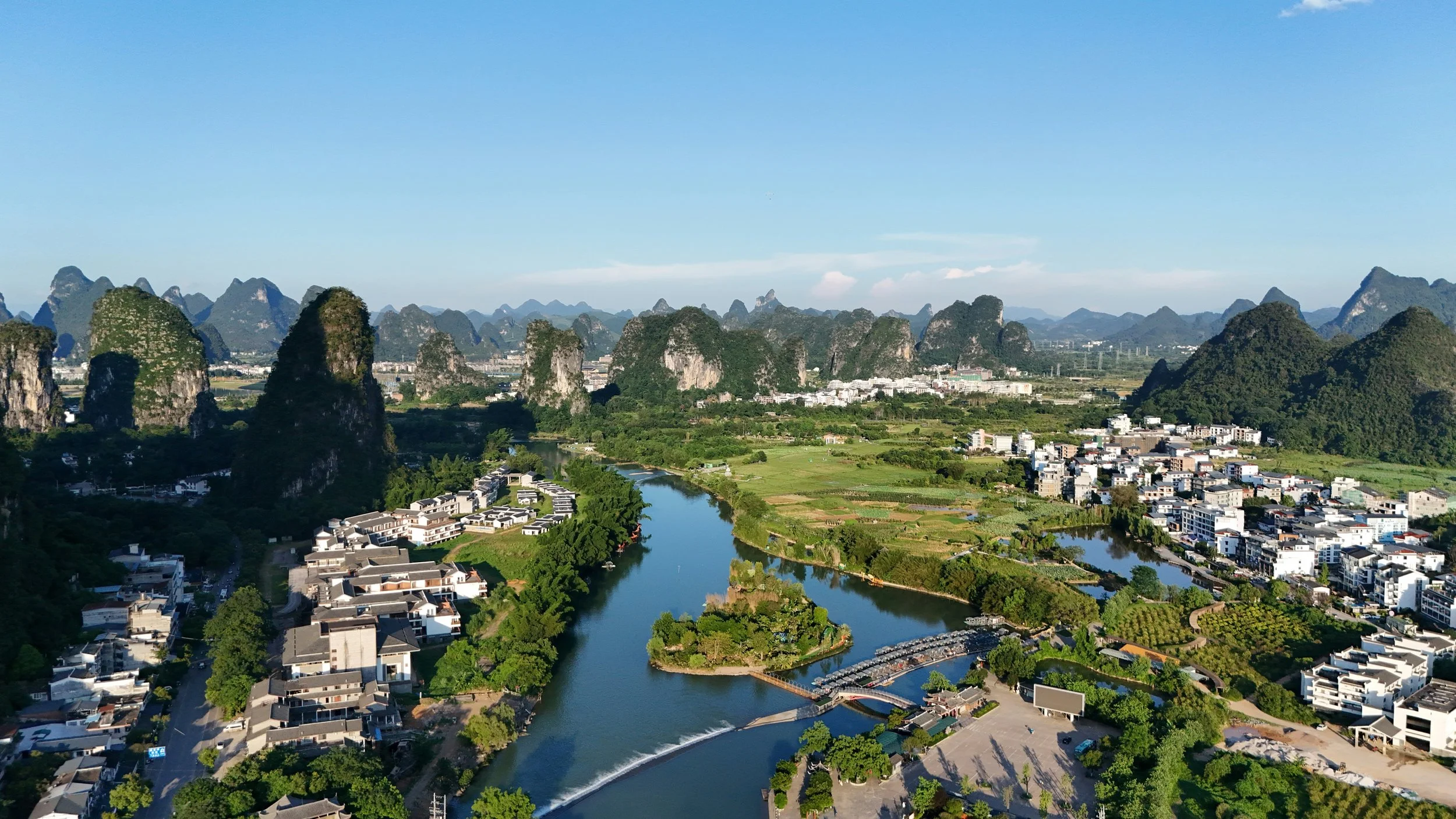
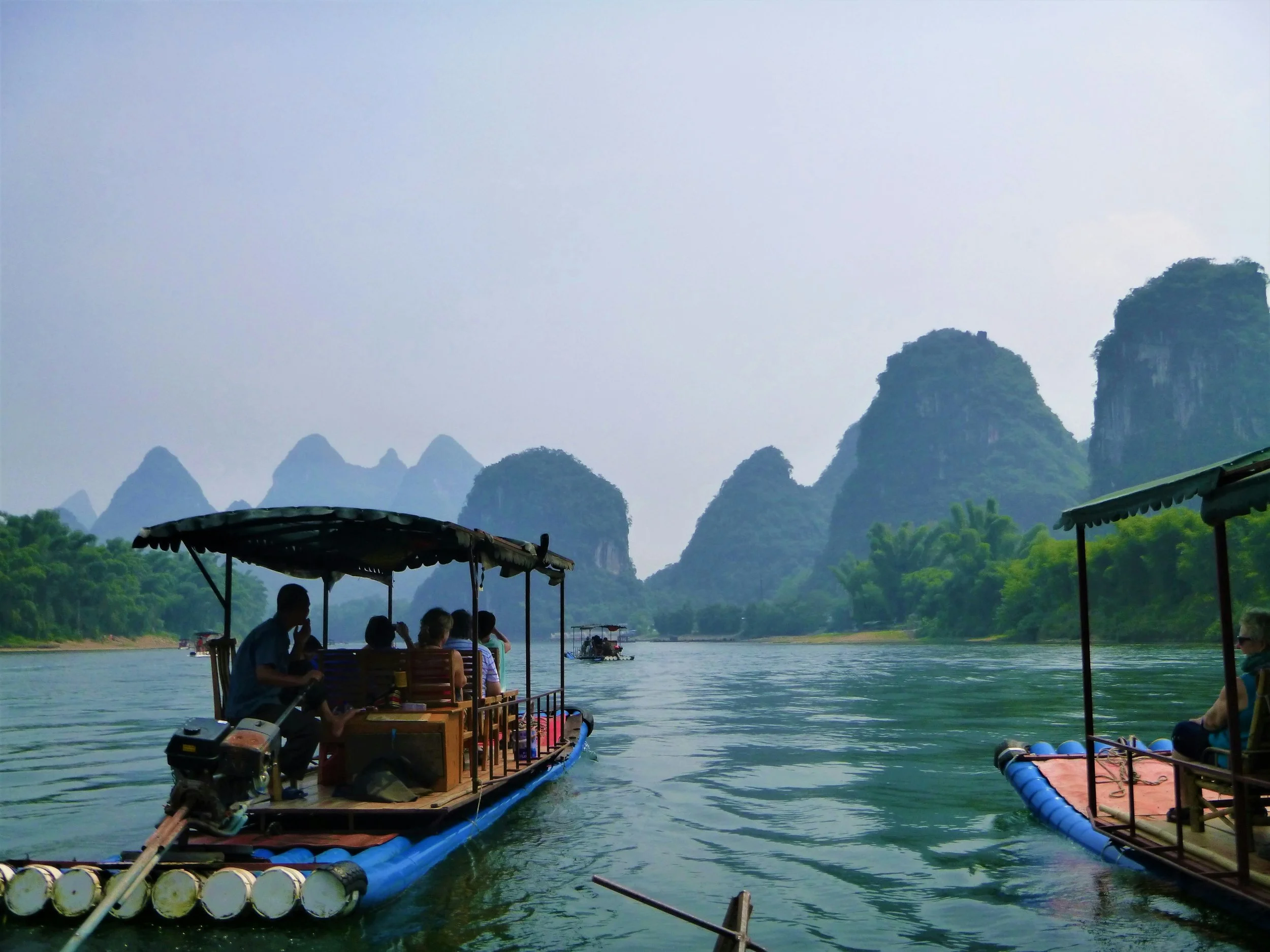
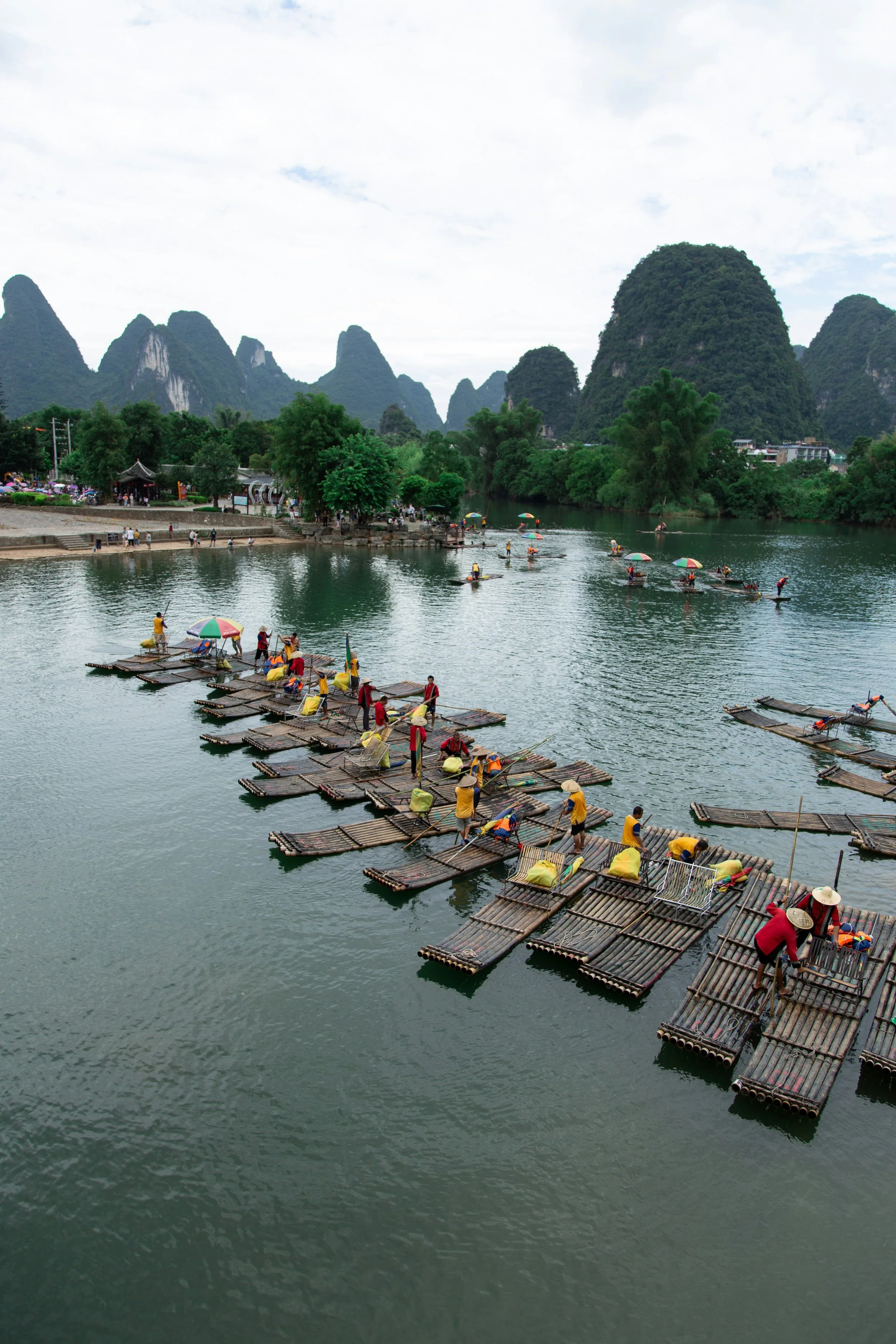
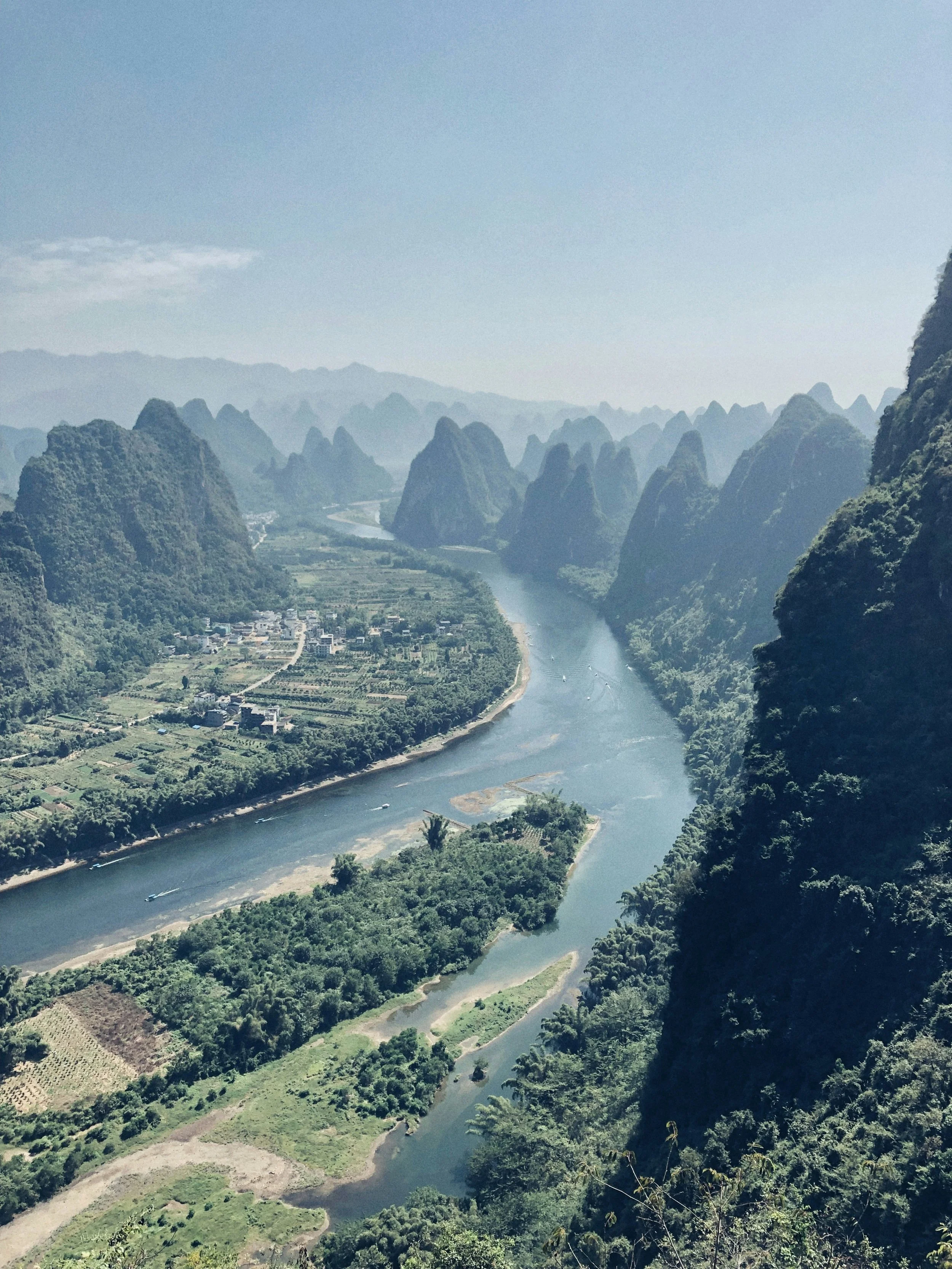
A four-hour cruise from Guilin down to Yangshuo, through the karst peaks that appear on the back of the twenty-yuan note. Fishermen on bamboo rafts, mist on the water, and a landscape Chinese painters have been chasing for a thousand years. No other trip we run goes here.
Cities and Countryside
The Great Wall, the Terracotta Army and the Shanghai skyline — and then a bicycle through rice paddies outside Yangshuo, past water buffalo, with limestone peaks in every direction. Most trips to China only show you the first half. This one doesn't.
Just Your Group
No coach, no strangers, no fixed departure dates. Your own vehicle and driver in every city, your own English-speaking guide, and a pace you set yourself. Nobody waits for anybody.
Nothing Extra to Pay
One price in Australian dollars. Tips for guides and drivers are already in it. No tipping kitty collected on arrival, no shopping stops, no optional extras pushed at you on the day.
Tour Itinerary
Day 1 : Arrive Beijing
Your guide will be waiting for you as you come out of customs, and you'll be driven straight to your hotel. The rest of the day is yours to sleep off the flight.
Day 2 : The Forbidden City, the Temple of Heaven & Tiananmen Square
Breakfast and lunch included
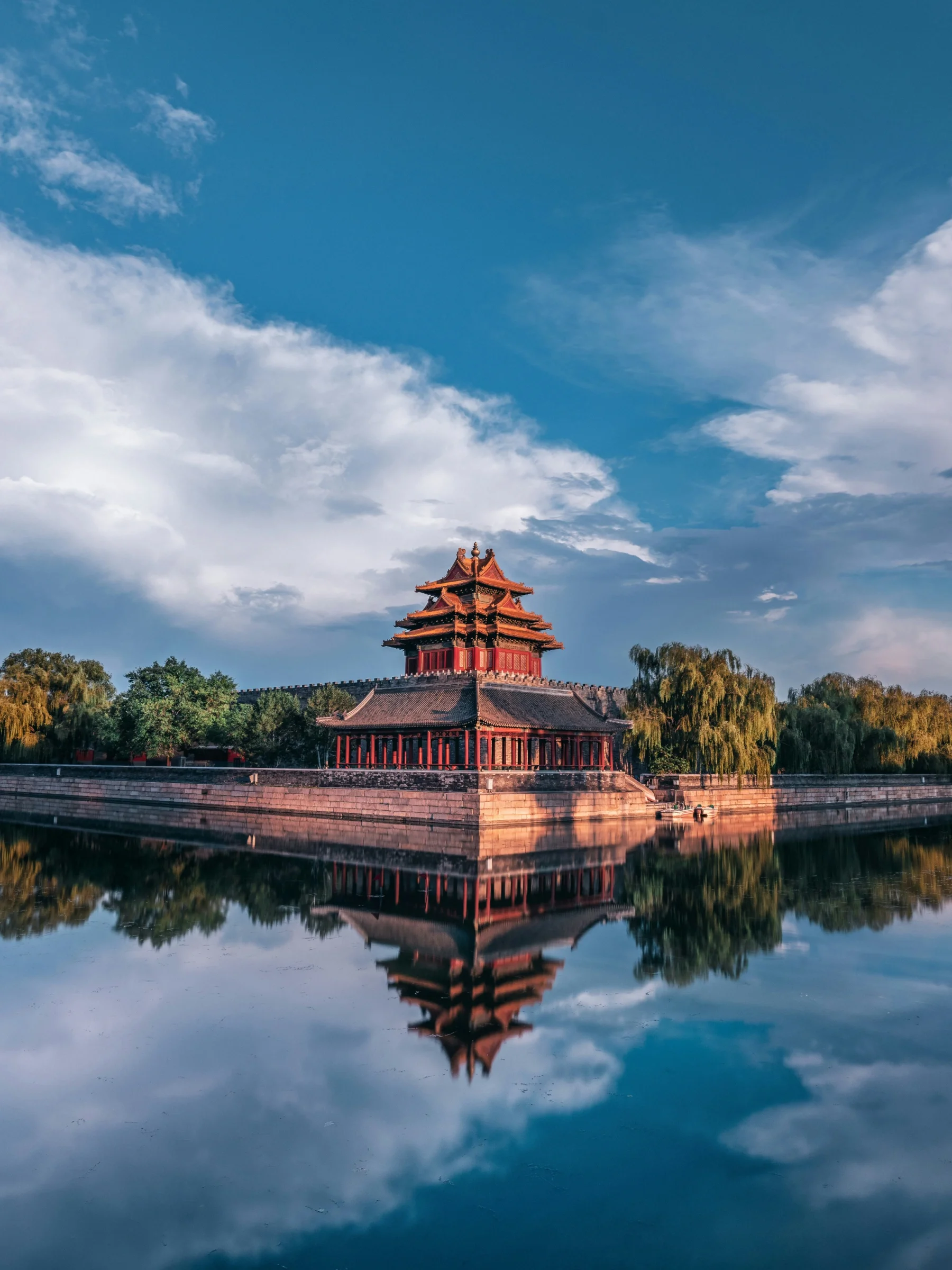
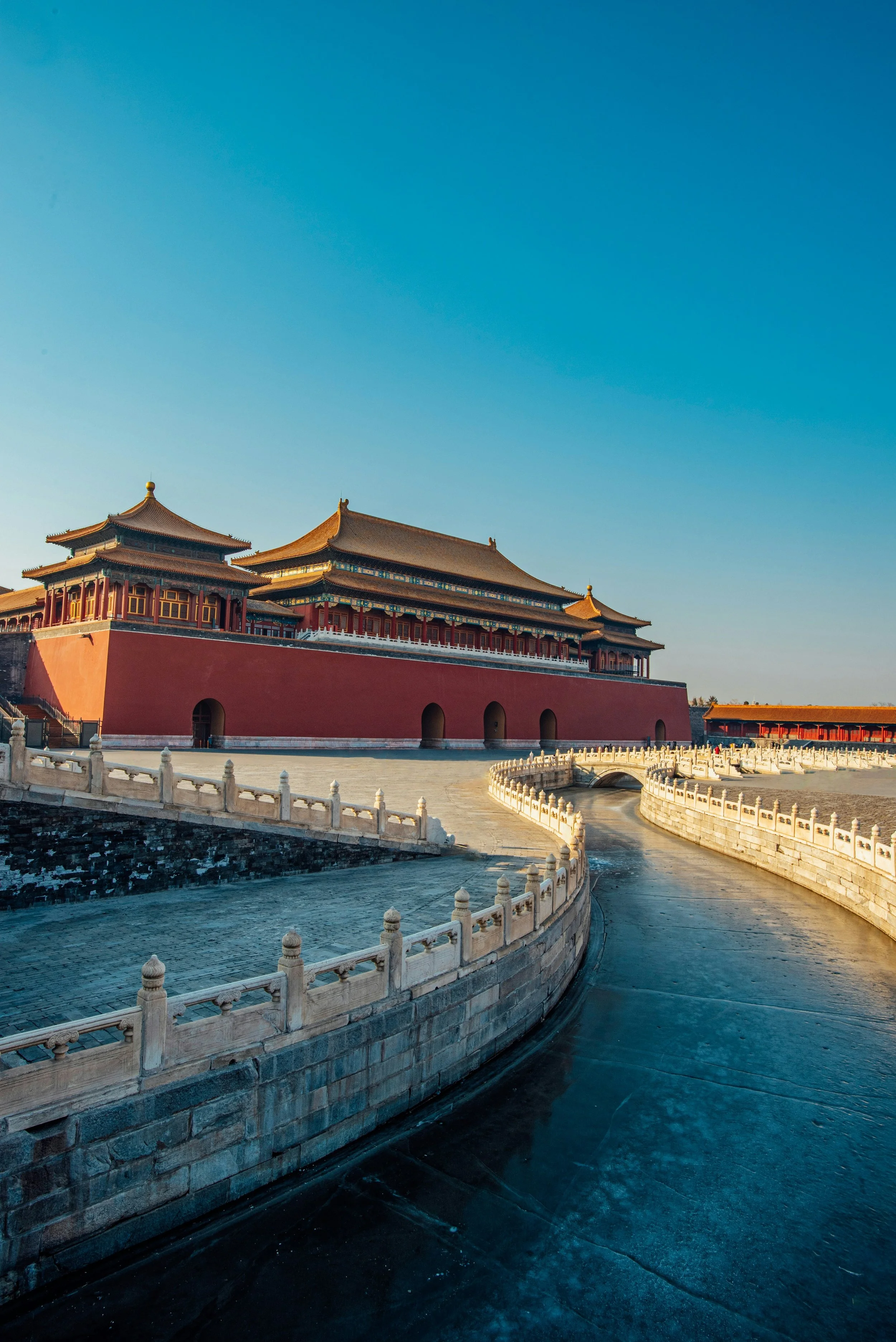
The Forbidden City in the morning: the imperial palace of the Ming and Qing dynasties, 720,000 square metres of it, the largest and best-preserved ancient wooden palace complex in the world.
Lunch at a local restaurant, then on to the Temple of Heaven — where the emperors came each year to pray for a good harvest.
Last stop of the day is Tiananmen Square — deliberately. Everyone goes in the morning, and the security queue to get onto the square runs an hour to an hour and a half. By late afternoon it has thinned right out, and the light on the Gate of Heavenly Peace is better anyway.
Day 3 : The Great Wall at Mutianyu
Breakfast and lunch included
A full day at one of the world's great wonders.
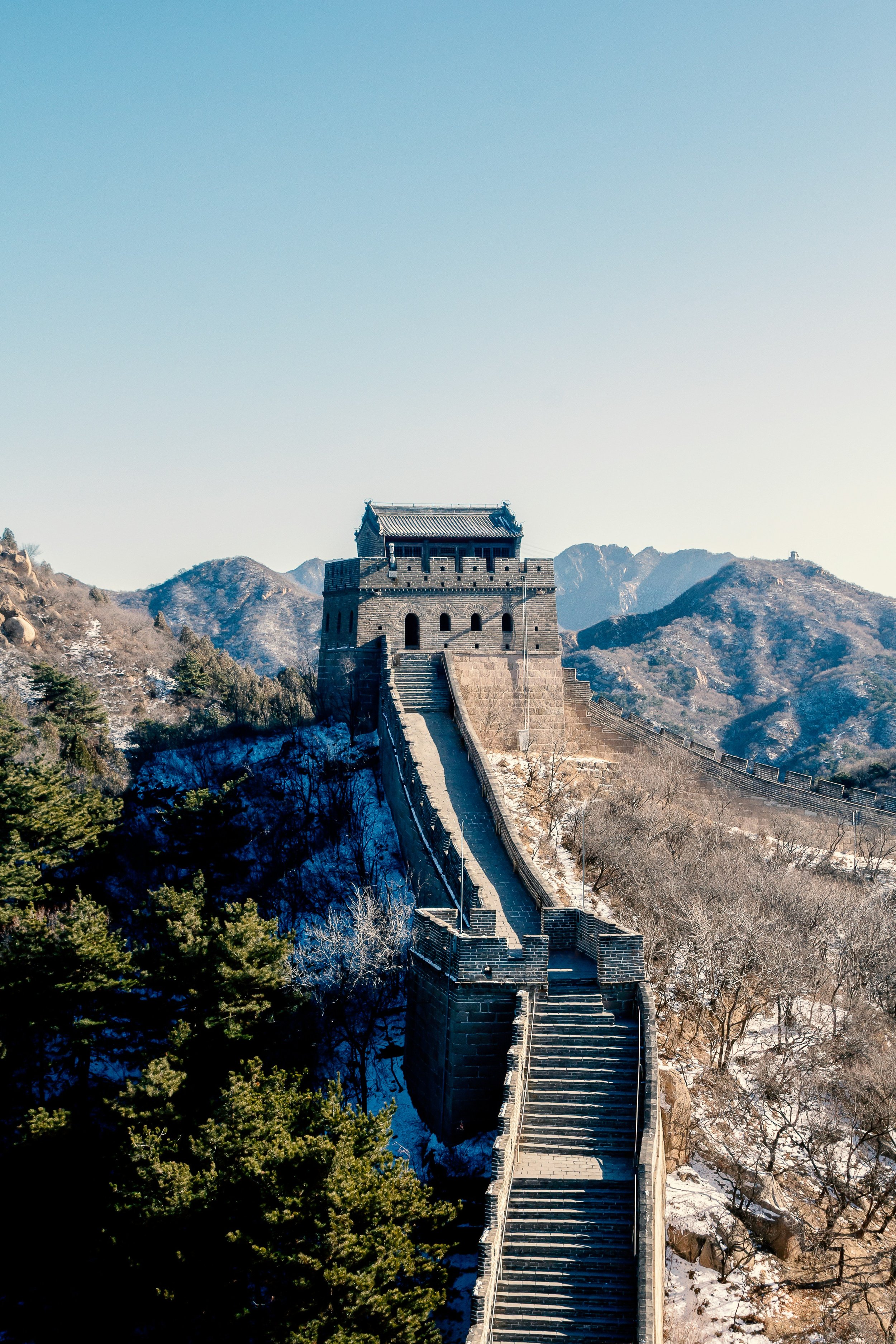
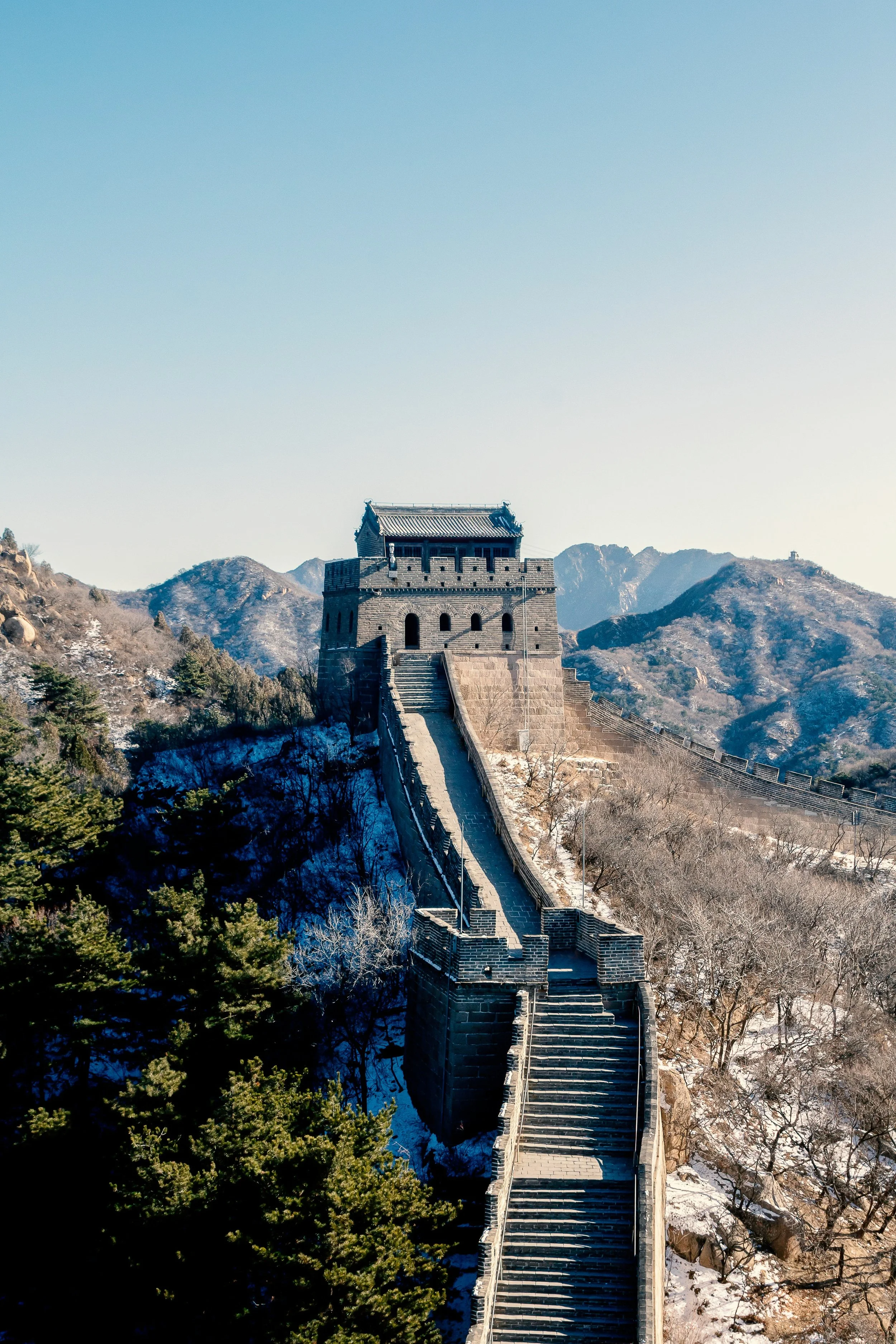
We take you to Mutianyu, one of the best-preserved and most spectacular stretches of the Wall — restored, forested, dramatic, and far quieter than the sections closest to Beijing. You go up by enclosed cable car: no climbing the mountain just to reach the Wall, and no one left at the bottom.
From there, there are two ways to spend the day. You pick one when you book, so we can plan the day around it — and your guide will confirm it with you on the morning, when the weather has had its say. You can change your mind then.
THE RIDGELINE WALK
Up at the top and back down again by cable car, with the time in between spent on the Wall itself — the ramparts, the watchtowers, the view down the valley, and the Wall running off into the hills in both directions until it disappears.
You go at your own pace and stop where you like. The cable car runs in almost any weather and carries everyone, from a four-year-old to a grandparent, so nobody in your family sits this one out.
THE LONG SECTION, AND THE TOBOGGAN DOWN
For families who'd rather actually walk the Wall.
You ride up to the far end and walk the length of the restored section, tower by tower — 45 to 70 minutes, mostly descending, and by a distance the best stretch of Wall at Mutianyu. Most visitors never see it; they photograph the first watchtower and go back down.
At the far end there's the toboggan: a long stainless-steel chute running down the mountainside, one rider per sled, your hand on your own brake. A good ending to a long walk.
What the walk is actually like. It's a real walk on old stone. The steps are steep, uneven and higher than you expect, and going down them for an hour is harder on the knees than going up. Wear proper shoes. If anyone has knee or hip trouble, take the ridgeline walk instead — same Wall, better day.
Children manage this better than most adults expect, so we'll leave that call to you. One practical note: a pram is no use up here, because the Wall is steps rather than path. A back carrier works fine.
The toboggan. Children under 4 can't ride. Children 4 to 9 ride tandem with an adult, who sits behind and works the brake. From 10 they ride alone. Guests over 60 take the cable car down.
If the weather doesn't cooperate. The toboggan closes in rain, high wind or thunder — the track has to be dry. Your guide checks first thing on the morning, before you set off. If it isn't running that day, you'll do the ridgeline walk instead and come down by cable car. No extra cost, and nothing to sort out on the mountain.
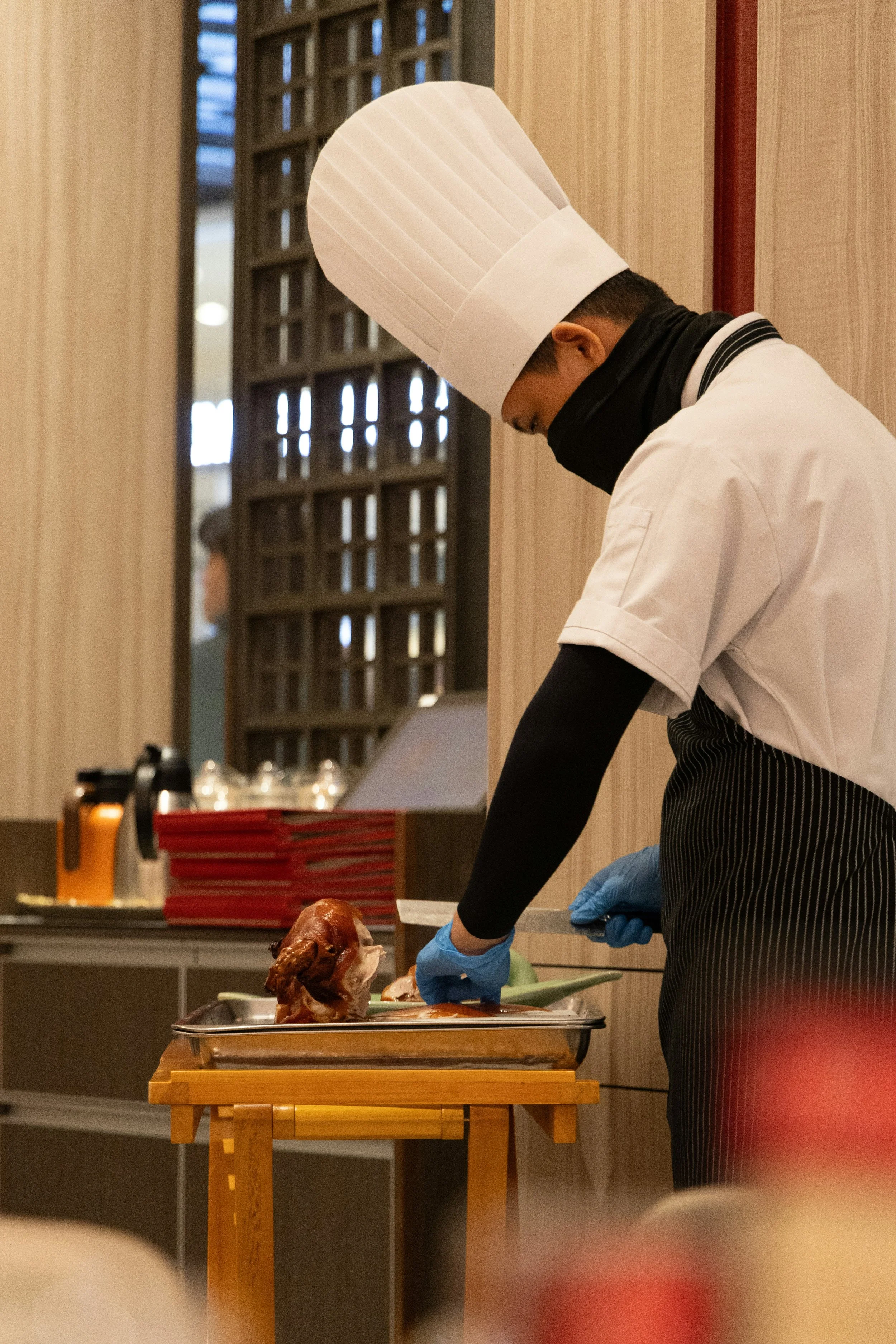
Day 4 : The Summer Palace, a family lunch, the hutongs, and Peking duck
Breakfast, lunch and dinner included
The best day of the trip.
Morning at the Summer Palace, the Qing dynasty's imperial lakeside garden.
Lunch with a local family, in their home. You'll sit down with them, eat what they eat, and talk — about their work, their city, how life here actually goes. Almost nobody visiting China gets to do this, and it's the thing our travellers talk about afterwards.
In the afternoon, the hutongs by cycle rickshaw — Beijing's old back alleys, and the most traditional corner of the city.
This evening, a Peking duck dinner.
Day 5 : High-speed train to Xi'an, and the Tang dynasty show
Breakfast, lunch and dinner included
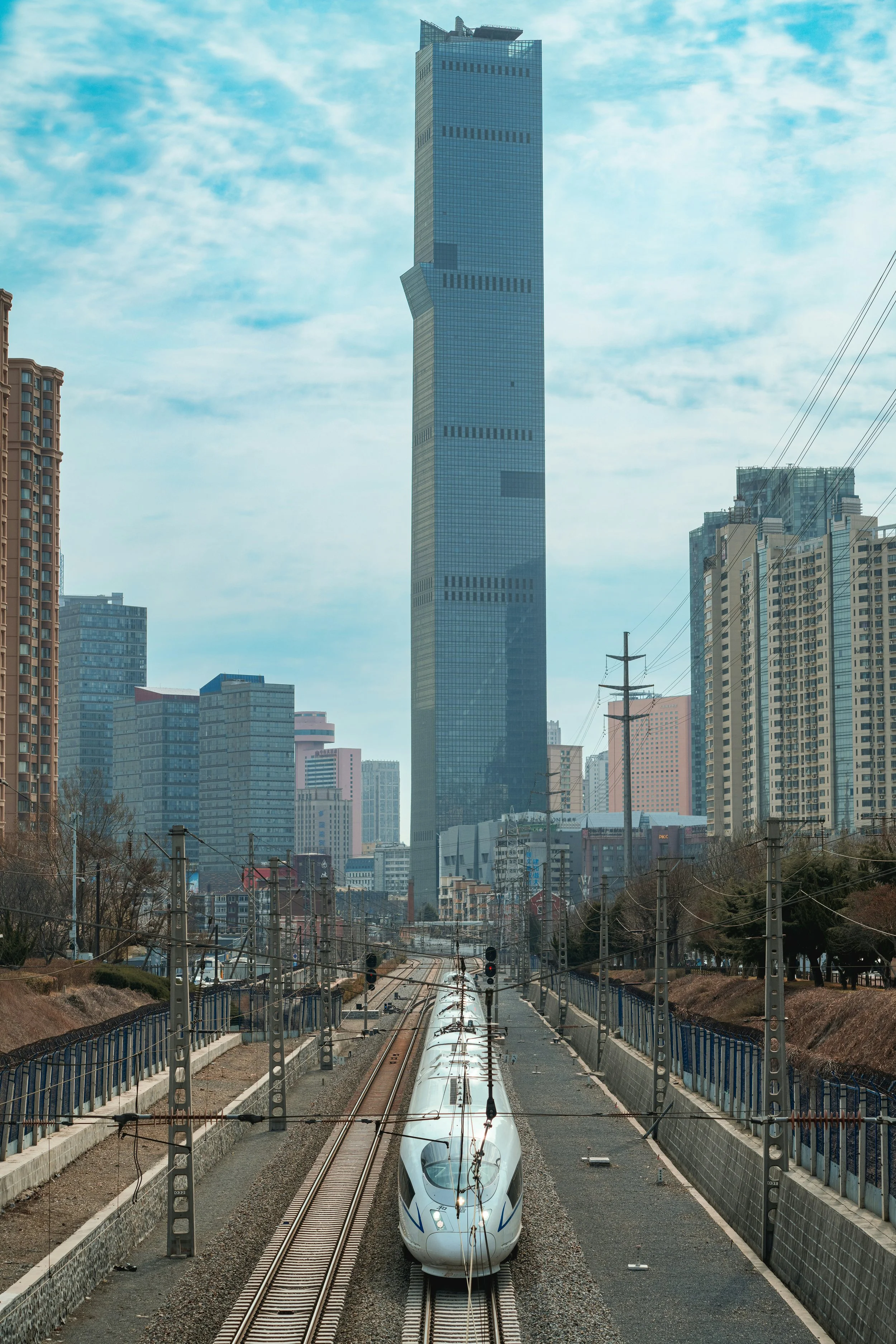
Morning transfer to the station for the high-speed train to Xi'an. Met on arrival, then straight to the old city wall — the most complete ancient city wall in China, ringing the old town.
This evening, a Tang Dynasty cultural show with dinner: song and dance from the era when Xi'an was Chang'an, the greatest city on earth, paired with the region's distinctive cuisine.
Day 6 : The Terracotta Army
Breakfast and lunch included
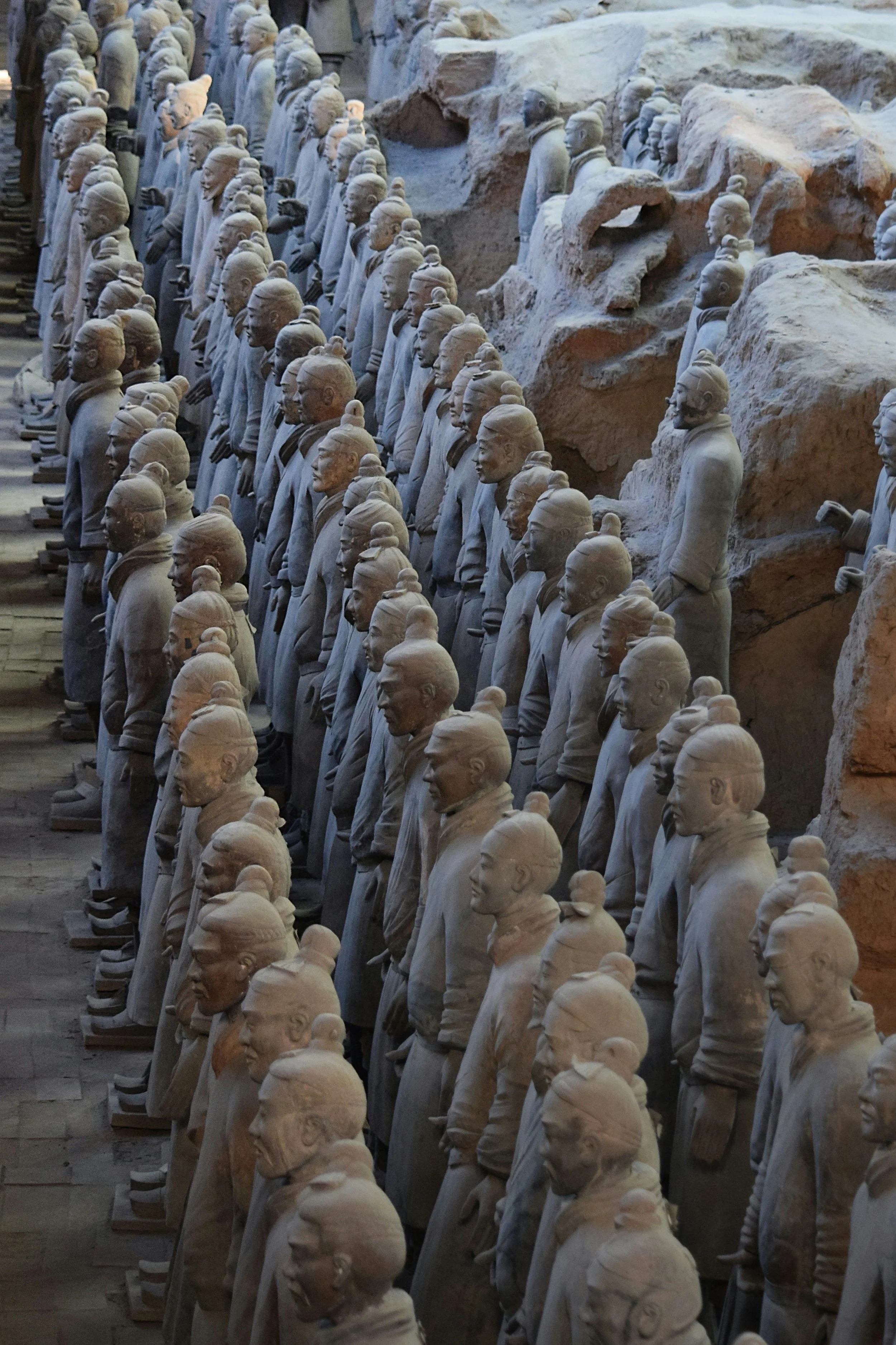
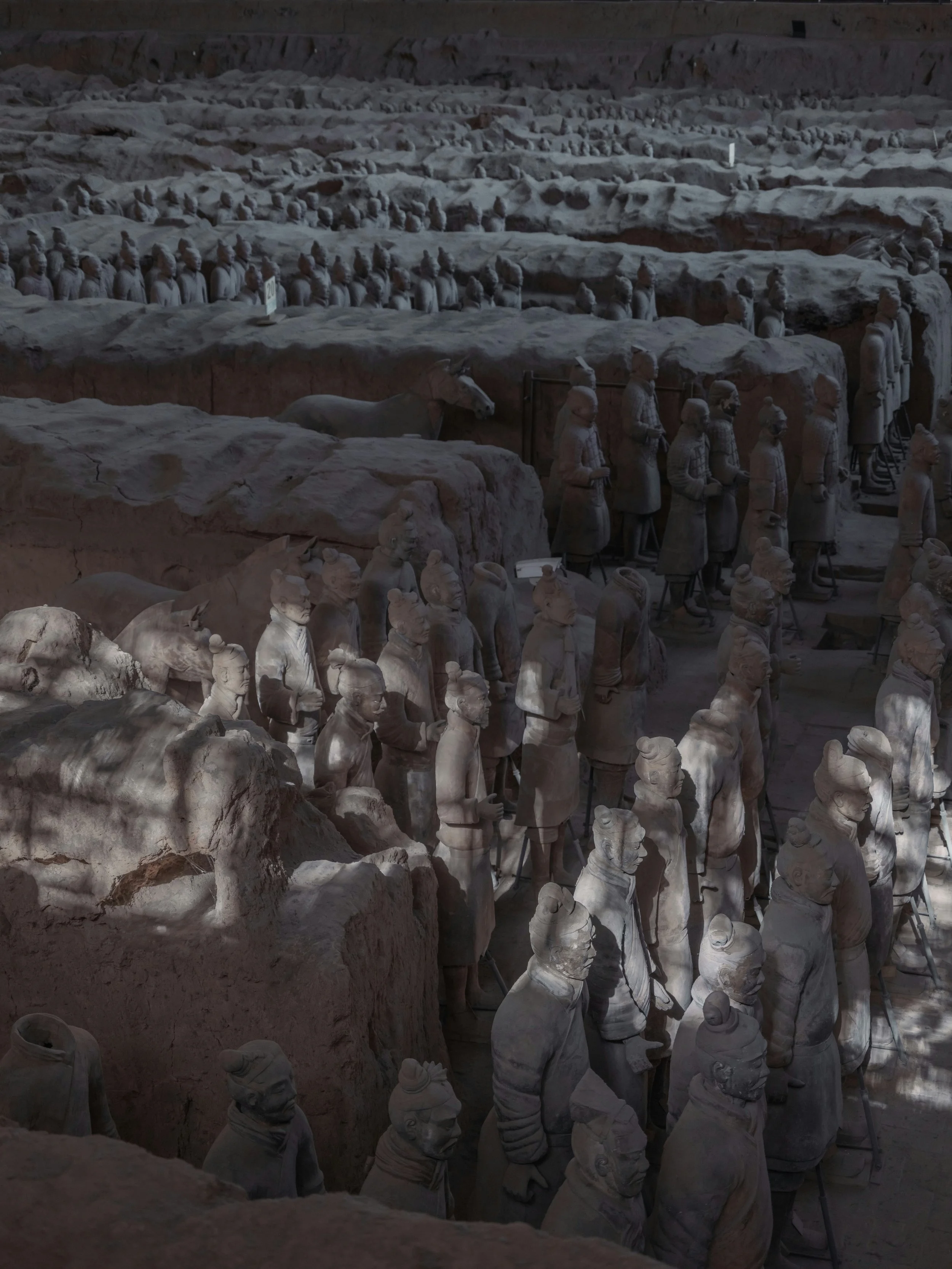
Xi'an was the seat of power for eleven dynasties, going back as far as the 11th century BC. Today you'll see its most astonishing survival: the Terracotta Army of Emperor Qin Shi Huang — thousands of life-sized soldiers, buried for two millennia to guard the first emperor in the afterlife.
In the afternoon, the Giant Wild Goose Pagoda — one of China's most recognisable landmarks, built in 652 AD during the Tang dynasty to house the Buddhist scriptures the monk Xuanzang brought back from India after sixteen years on the road.
It has been rebuilt and repaired more than once in thirteen centuries, and it leans slightly to the west. In 2014 it was made a UNESCO World Heritage Site as part of the Silk Roads listing.
Day 7 : Fly to Guilin
Breakfast included
A morning flight to Guilin, met on arrival and taken to your hotel.
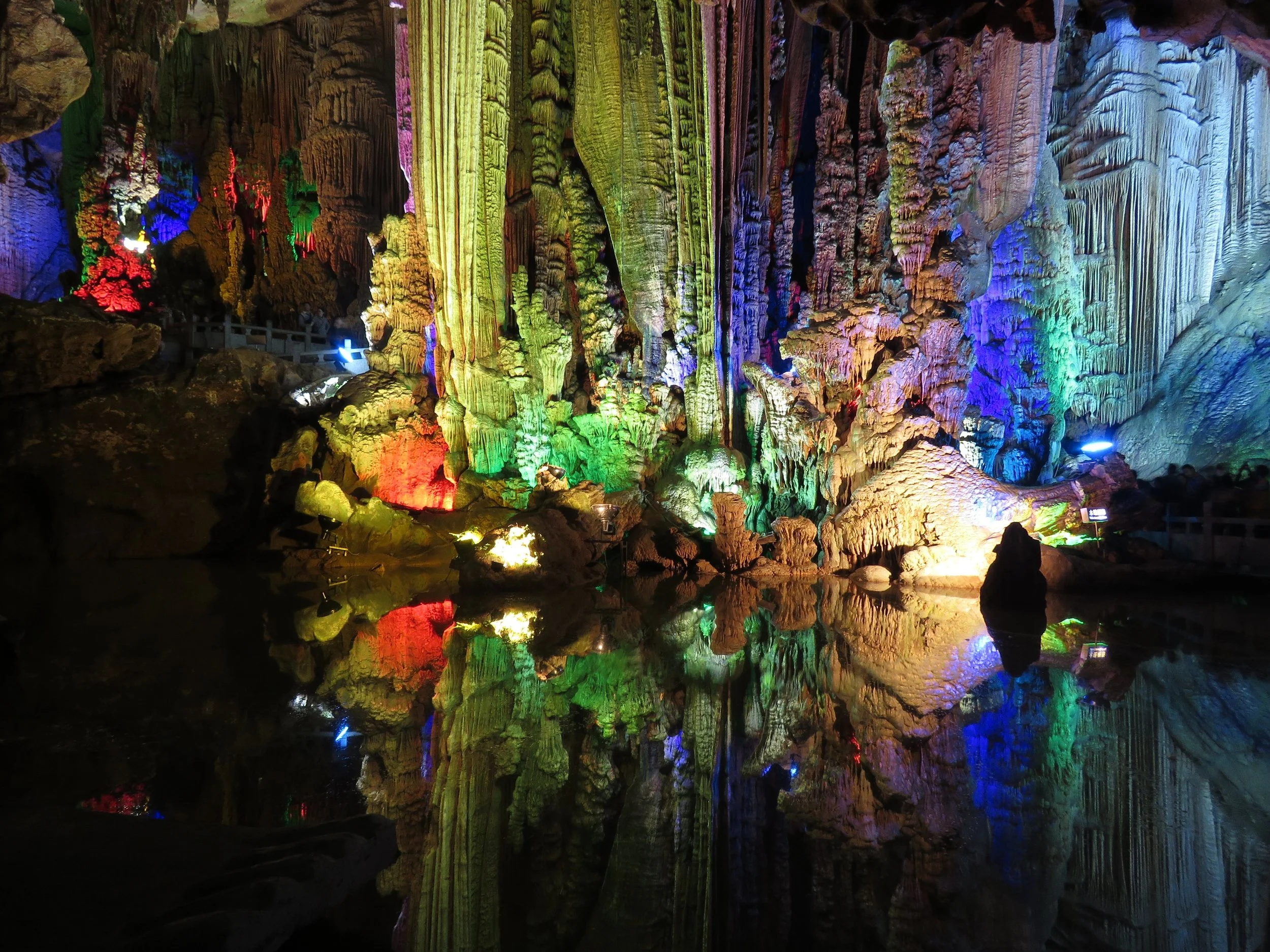
In the afternoon, the Reed Flute Cave — a vast limestone cavern of stalactites and stone pillars, lit up in colour.
Day 8: Li River cruise to Yangshuo
Breakfast and lunch included
The day people remember.
A slow cruise down the Li River, through the landscape that appears on the back of the twenty-yuan note: craggy peaks half-lost in mist, strange rock formations rising straight out of the water, fishermen working from bamboo rafts.
The boat runs about four hours, sailing downstream from Guilin to Yangshuo. Lunch on board is a western-style boxed meal and your guide stays with you the whole way — we've chosen the three-star boat over the more expensive one deliberately. The four-star serves a Chinese buffet that can't handle dietary requirements and carries mostly domestic tour groups. Same river, better day. We'd rather pay for the boat you'll enjoy than the one that sounds more expensive.
You arrive at Yangshuo, a busy little town of small shops and street stalls, and stay two night.
Day 9: Cycling the Yangshuo countryside
Breakfast included
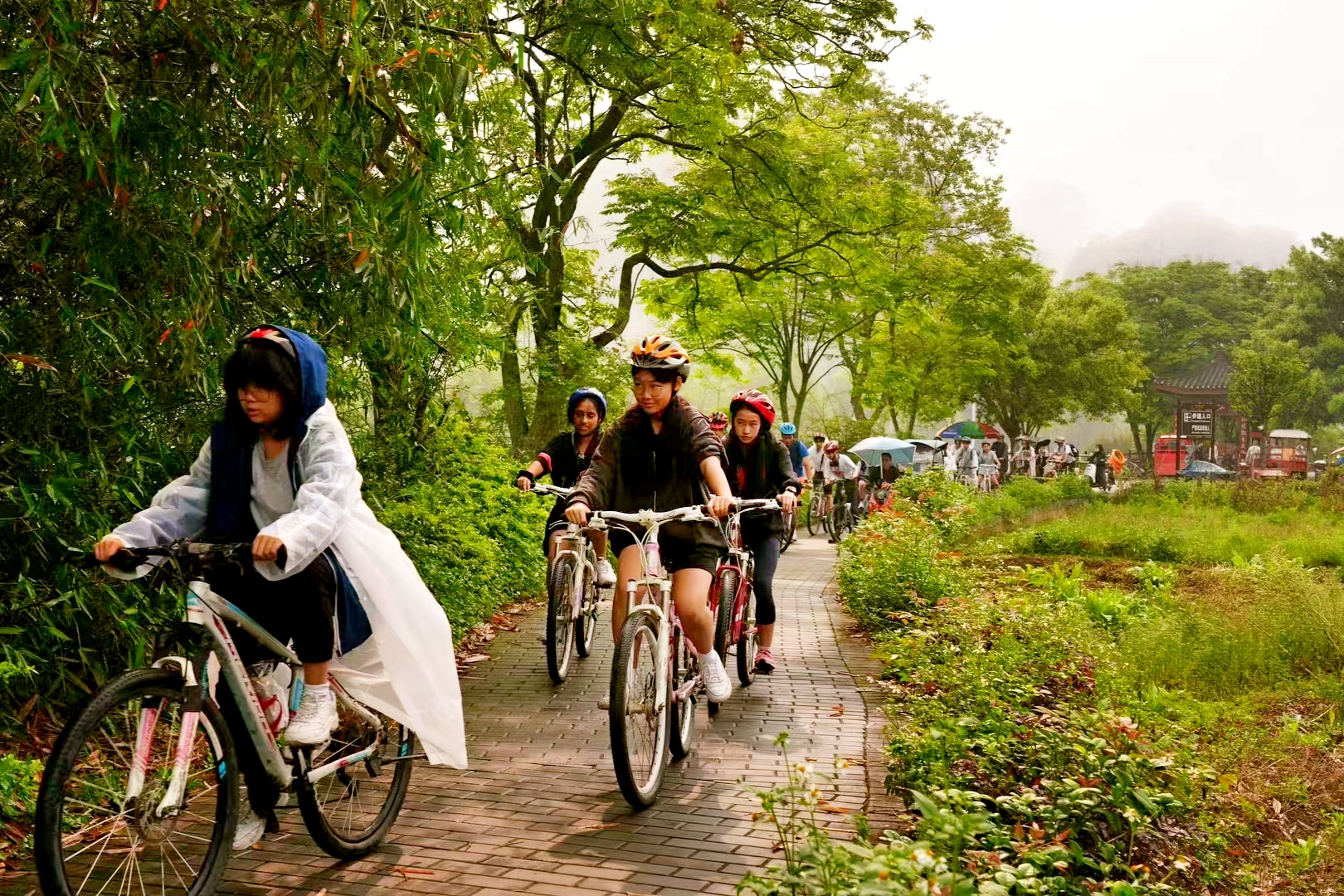
A cycling tour through the countryside around Yangshuo in the morning — rice paddies, water buffalo, villages, and those limestone peaks in every direction.
About five kilometres, an hour to an hour and a half, at whatever pace suits you. There are children's bikes for kids aged about seven to ten. There's no child seat for younger children. If the weather turns, your guide will swap to somewhere else nearby rather than push on in the rain.
The afternoon and evening are yours, and you stay in Yangshuo again tonight. Lunch and dinner are on you today — your guide will point you at the good places. This is the one town on the trip where you unpack twice: small streets, no traffic, and the peaks go pink at the end of the day.
Day 10: Fly to Shanghai
Breakfast included
A morning drive back through the valley to Guilin airport — about ninety minutes — and a flight to Shanghai. Met on arrival and transferred to your hotel.
Day 11: Shanghai — the tower, the Bund, and the old town
Breakfast and lunch included
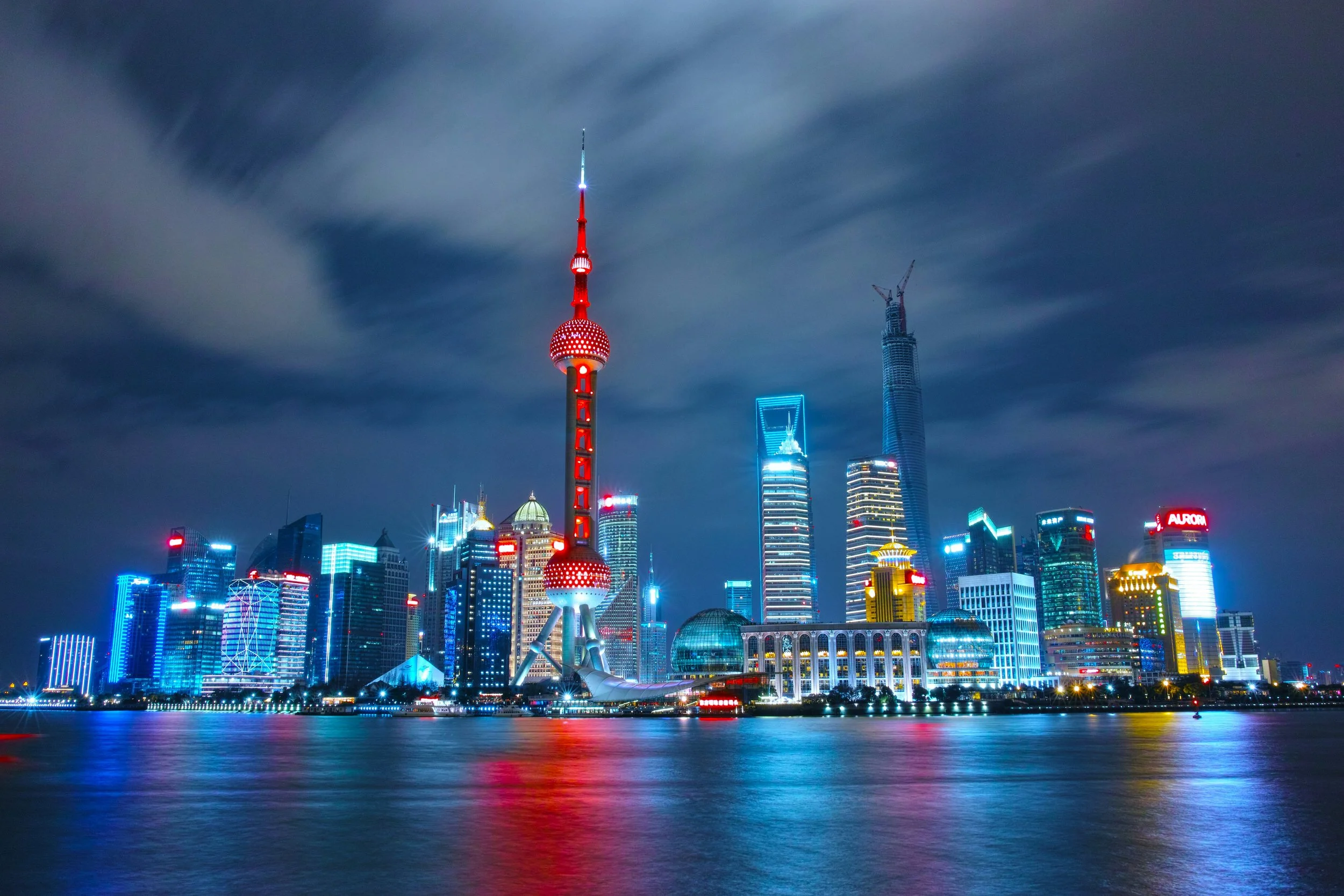
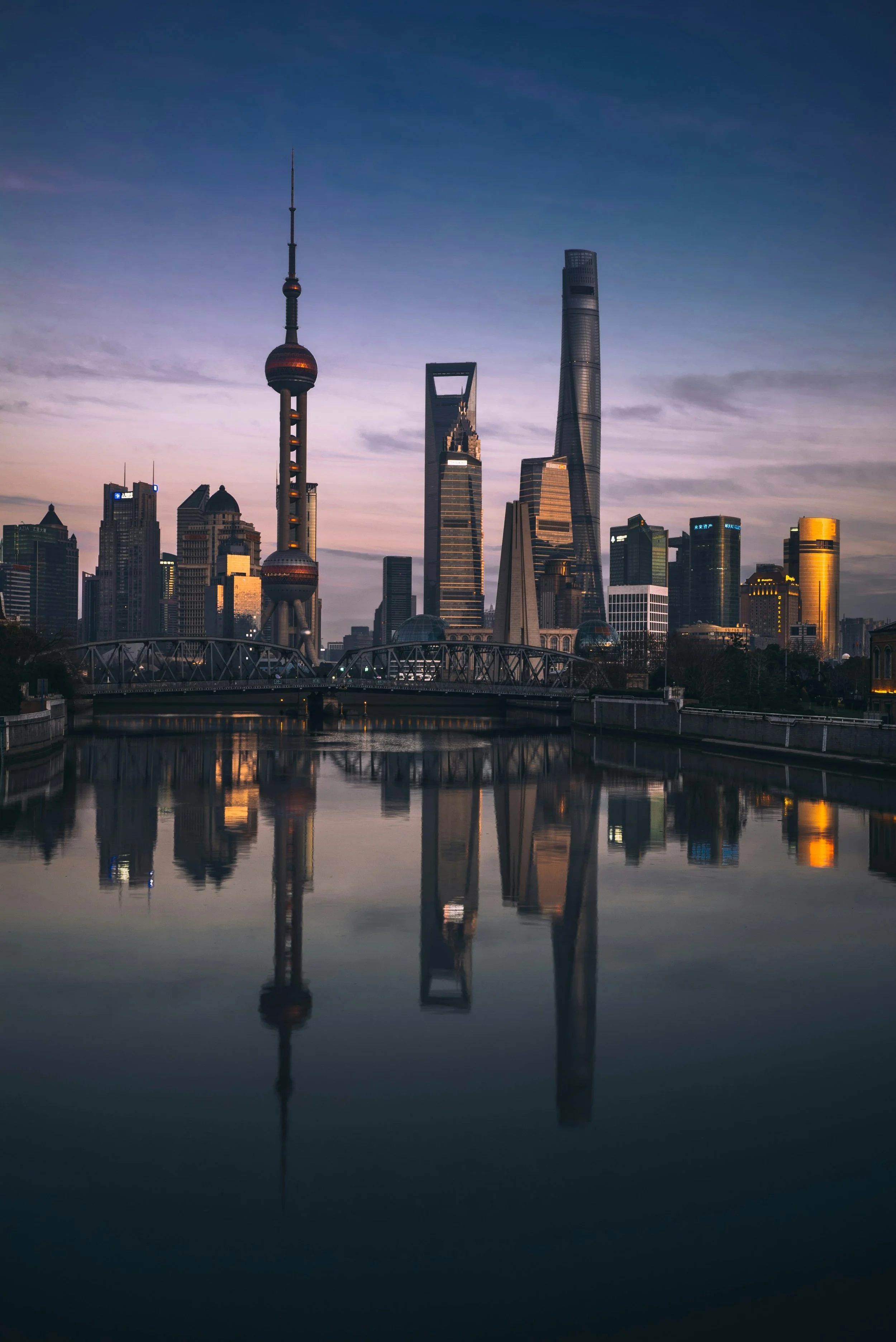
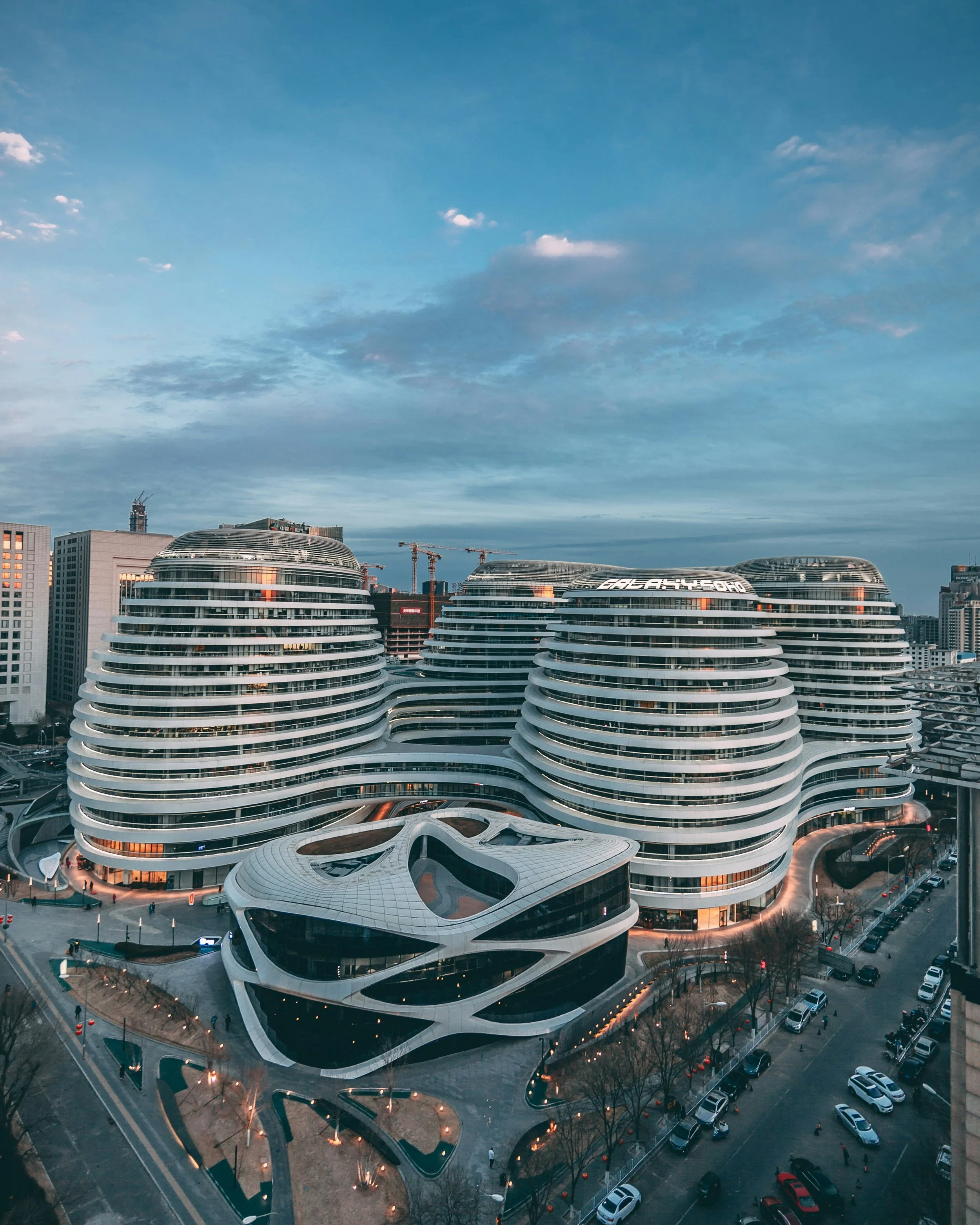
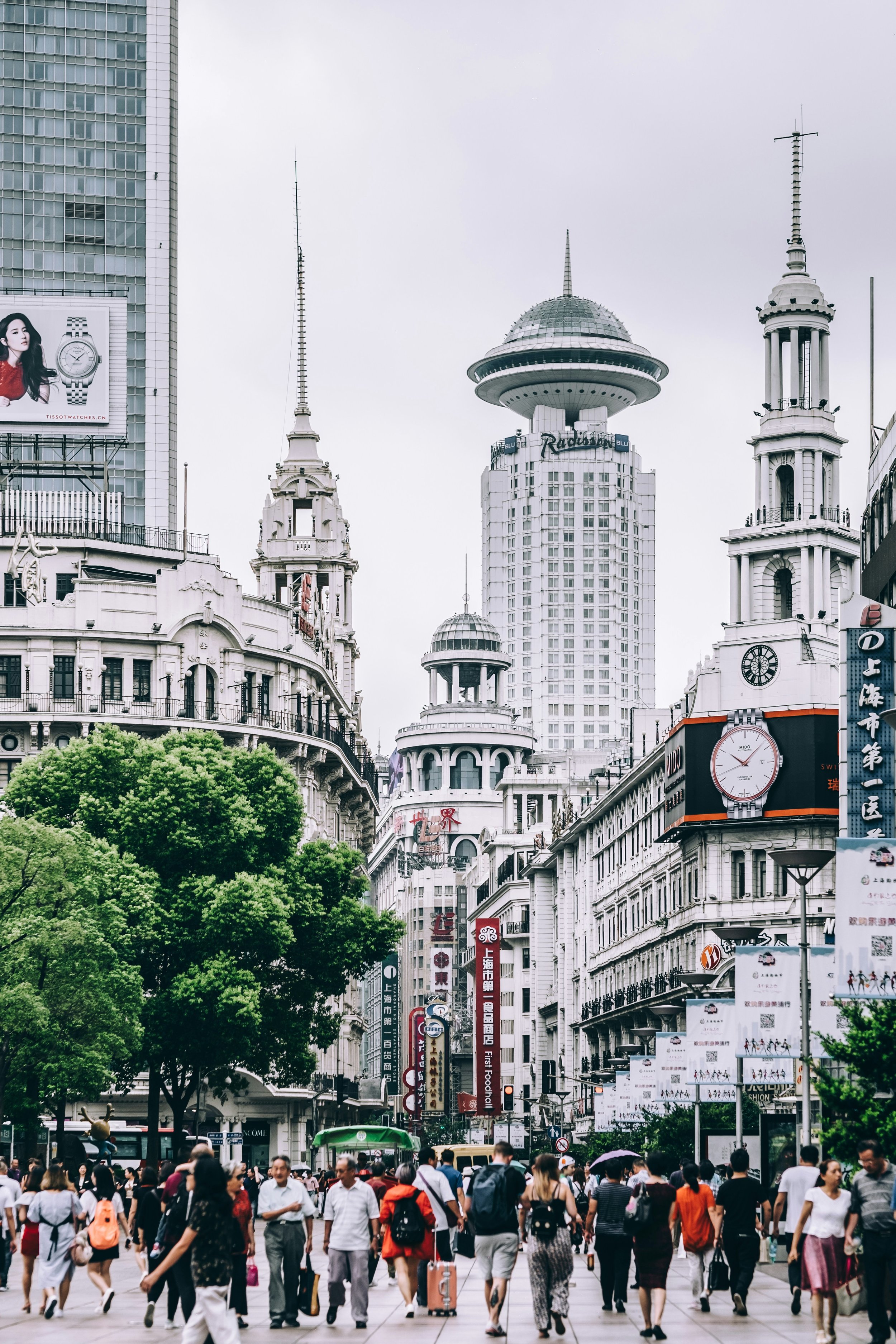
Across to Pudong and up the Shanghai Tower, one of the tallest buildings in the world, for the whole city laid out beneath you.
Then the Bund — the old colonial waterfront, where 1920s stone banking houses face the science-fiction skyline of Pudong across the river. Yesterday and today, looking at each other.
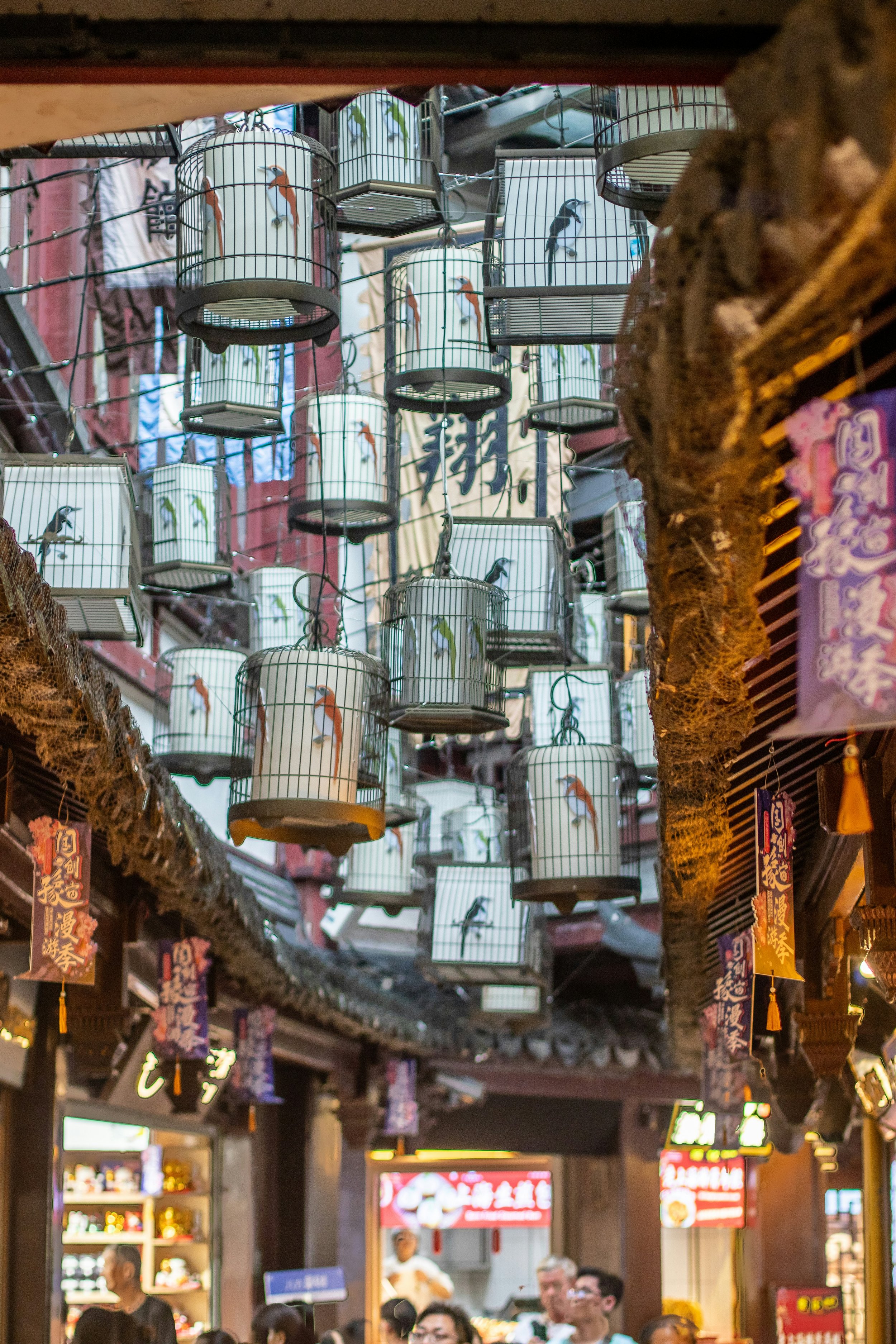
After lunch, the twisting lanes of Old Chinatown and the Yu Garden, a classical Ming garden of rockeries, ponds and moon gates, followed by a river cruise.
This evening, an acrobatic show.
Day 12: Zhujiajiao water town & Xintiandi
Breakfast, lunch and dinner included
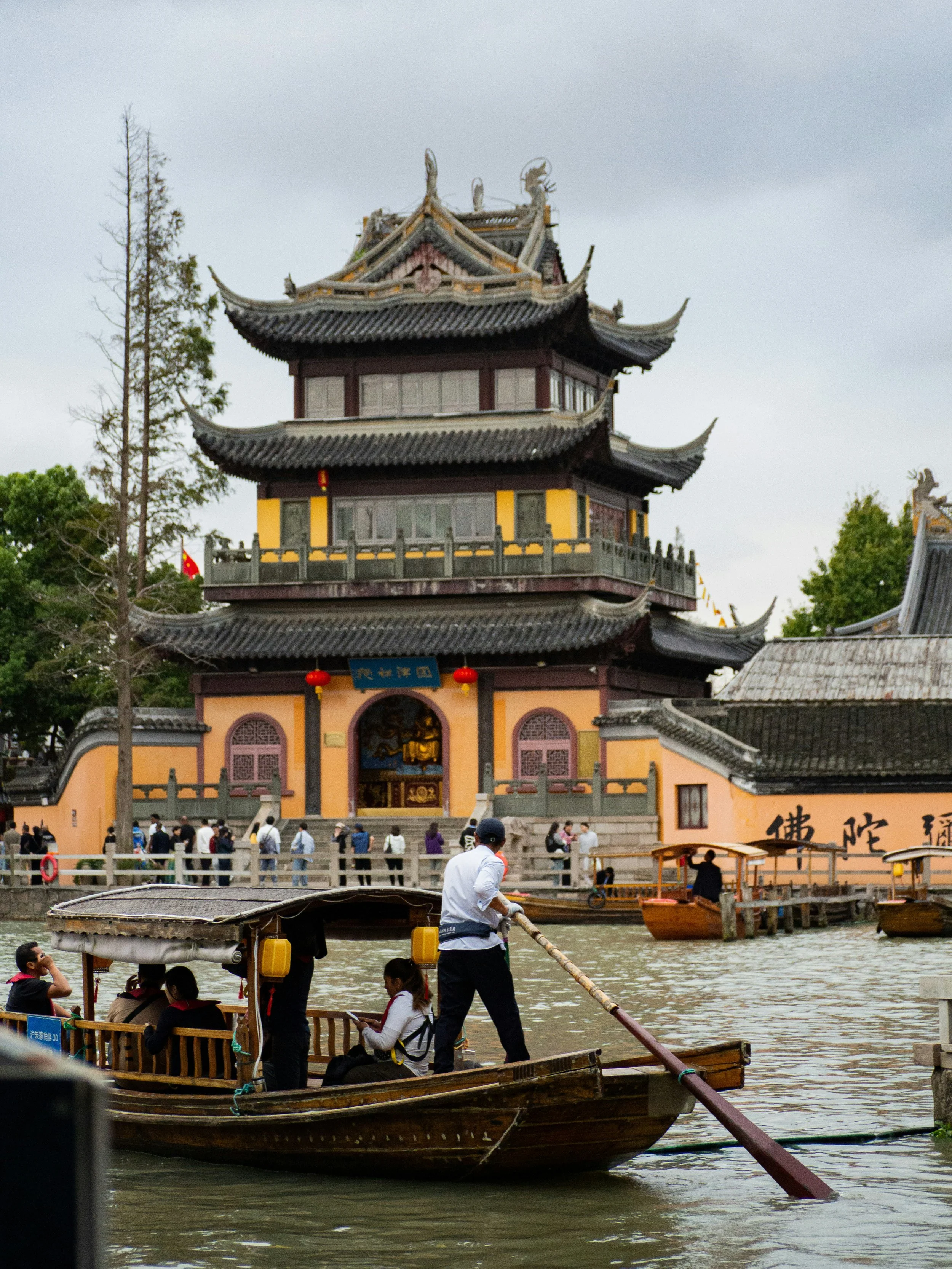
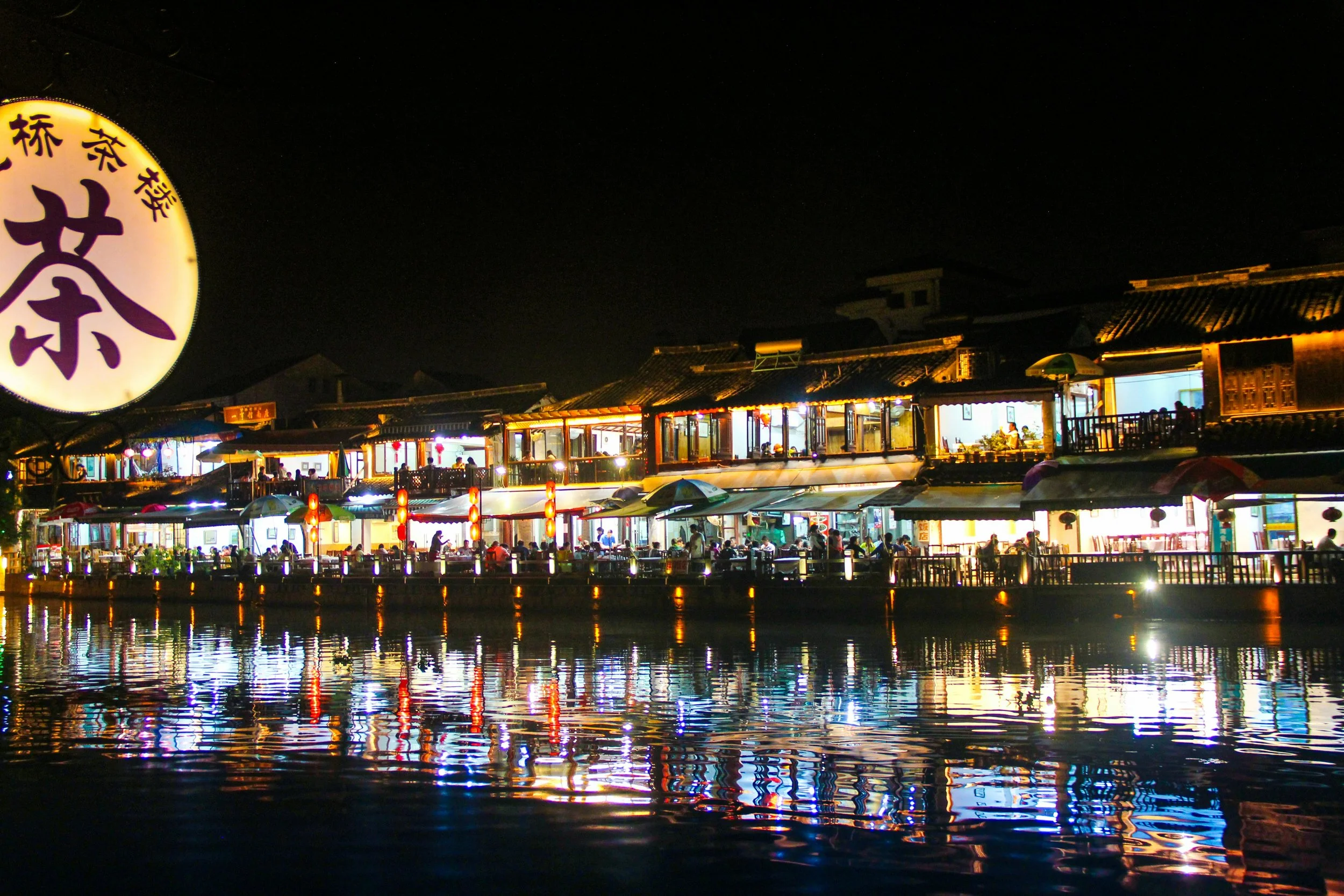
Zhujiajiao, an hour out: a canal town of cobbled lanes, whitewashed Ming and Qing houses with black tiled roofs, and thirty-six old stone bridges arching over the water.
Later, Xintiandi — a historic Shikumen stone-gate neighbourhood, master-planned into Shanghai's best dining and nightlife district. The old shell, entirely new inside.
A farewell dinner tonight.
Day 13: Depart Shanghai
Breakfast included
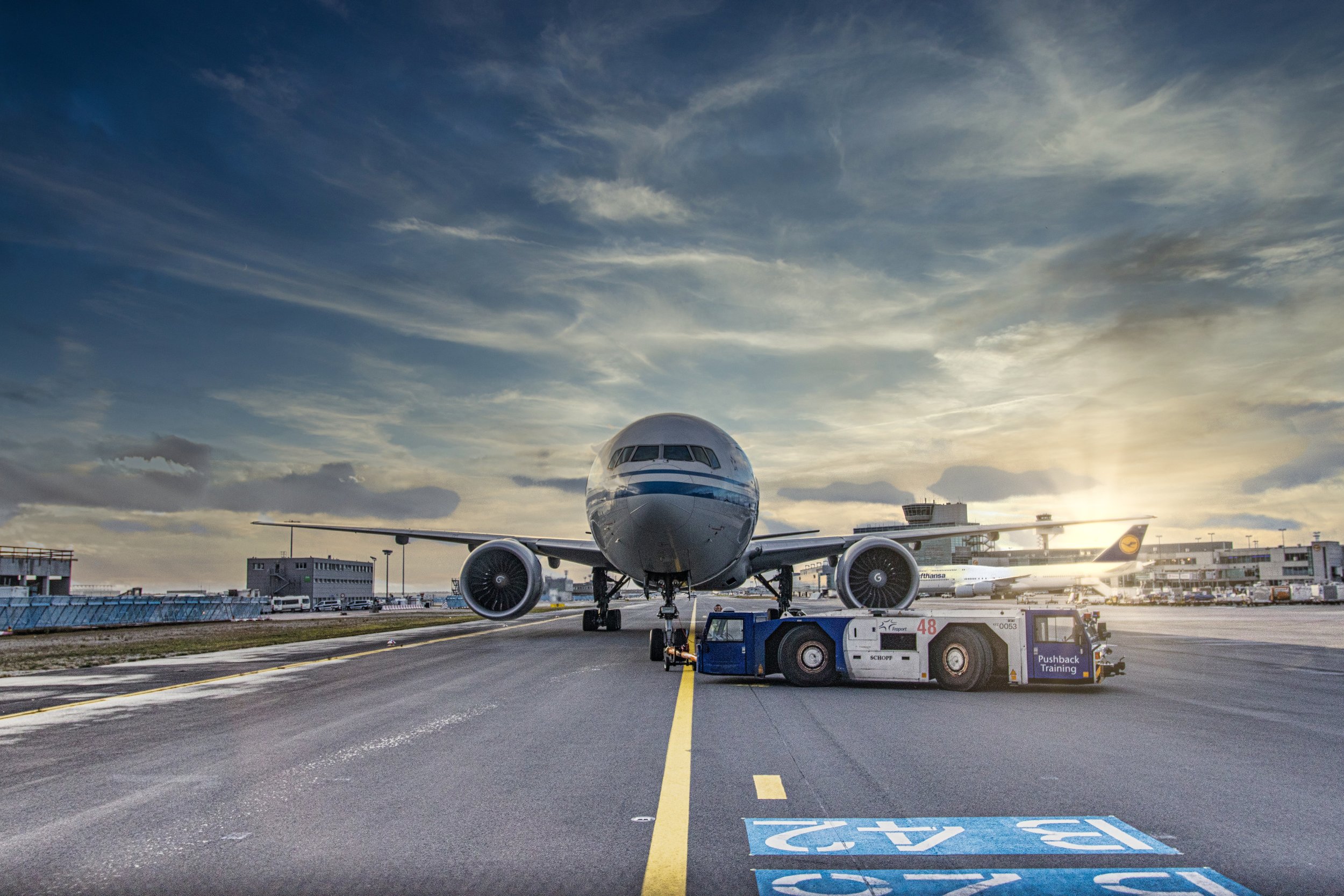
Transferred to the airport in good time for your flight.
If you're flying out of Pudong, you can add the Maglev — the magnetic-levitation train that covers the run to the airport in about eight minutes at 300 km/h, with your luggage following in the car. A small extra cost. Let us know your departure airport when you book and we'll set it up. It doesn't serve Hongqiao.
-
No visa required for Australian passport holders — stays of up to 30 days.
Land only. International flights are not included, so you can book them yourself and use your own points.
All tips and gratuities for guides and drivers are already included. There is nothing extra to hand over in China.
No shopping stops. Ever. This is written into our contract with our team in China.
-
Beijing — Forbidden City, Temple of Heaven, Tiananmen Square, Great Wall at Mutianyu, Summer Palace, the hutongs, lunch in a local family's home
Xi'an — Terracotta Army, the old city wall, Giant Wild Goose Pagoda
Guilin & Yangshuo — Reed Flute Cave, Li River cruise, countryside cycling
Shanghai — Shanghai Tower, the Bund, Yu Garden, Huangpu River cruise, Zhujiajiao, Xintiandi
-
Well-located four-star hotels, twin share, breakfast daily.
Beijing 4 nights, Xi'an 2 nights, Guilin 1 night, Yangshuo 2 nights, Shanghai 3 nights. Twelve nights in total.
Family rooms or connecting rooms where you need them. Rates are quoted twin share; a single supplement applies if anyone needs a room to themselves.
-
Your guide and driver meet you in the arrivals hall as you come out of customs — not at a meeting point you have to find.
The trip ends in Shanghai on Day Thirteen. We'll take you to the airport in good time for your flight, whatever time it leaves.
Tell us your flight numbers when you book and we'll build the first and last days around them.
[ the journey ]
Four cities, one river, and no coach in sight.
Inclusions
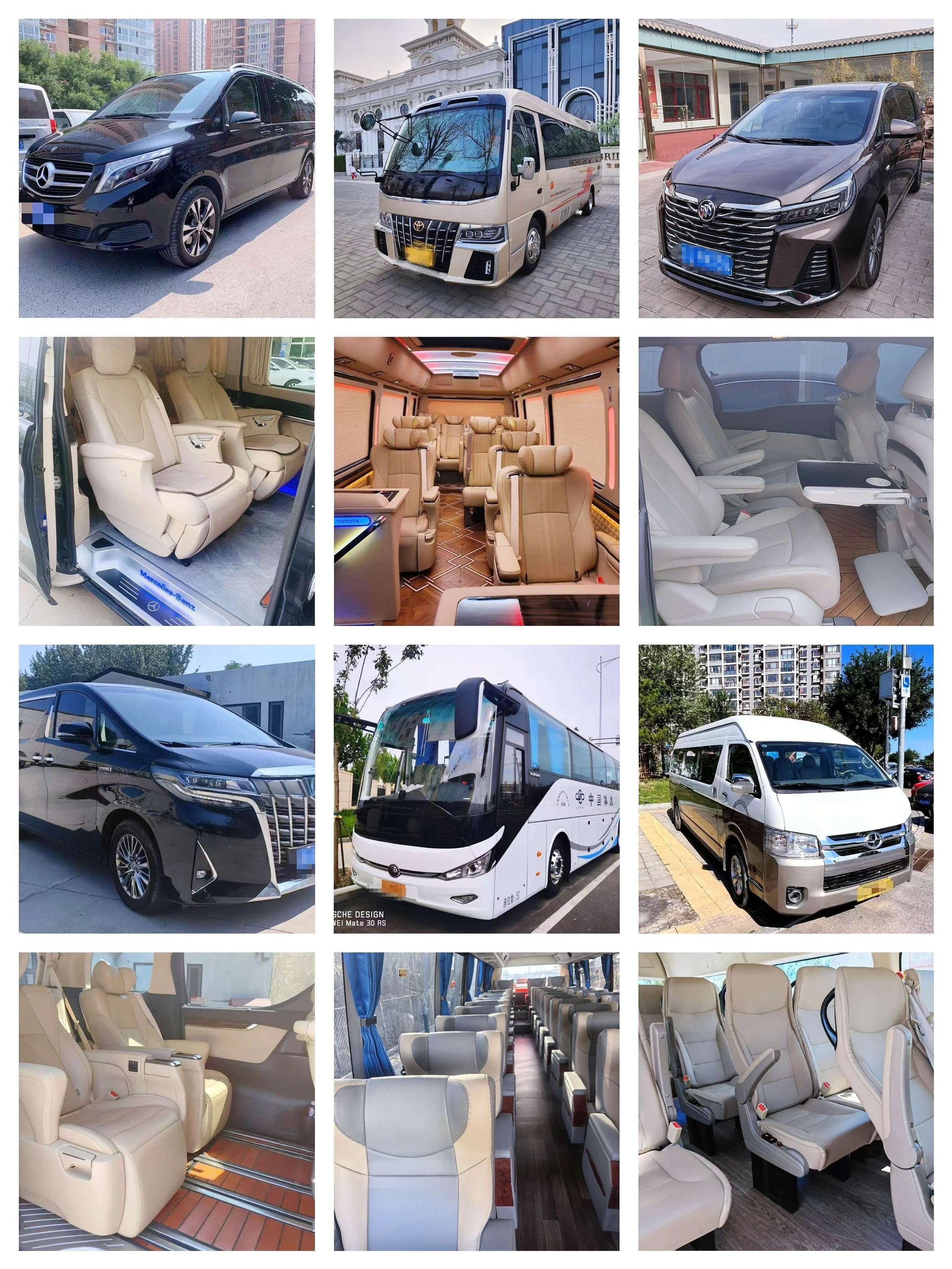
A private vehicle and driver throughout — your group only, in every city.
A private English-speaking guide in each city.
Twelve nights in four and five star international-brand hotels, twin share, breakfast daily.
All airport and station transfers.
All entrance fees listed in the itinerary, including the Mutianyu cable car.
High-speed train Beijing to Xi'an. Flights Xi'an to Guilin and Guilin to Shanghai.
Li River cruise from Guilin to Yangshuo, with lunch on board.
Meals as marked — 13 breakfasts, 7 lunches and 4 dinners, including lunch in a local family's home, the Peking duck dinner, the Tang Dynasty show dinner and the farewell dinner.
All tips and gratuities for guides and drivers. Nothing extra to hand over in China.
A 24-hour contact in Australia and a 24-hour contact in China for the whole trip.
Exclusions
International flights. We leave these out deliberately so you can book them yourself and use your own points.
Travel insurance. You'll need a policy in place before we confirm your booking — and I'd buy it the day you pay your deposit, not later. Cancellation charges start from that moment, and insurance is what covers them if something happens at home and you can't go.
Meals not marked as included, and drinks with meals.
Anything not listed in the itinerary.
Personal spending.
Costs arising from weather, natural disasters or other events outside anyone's control.
[ FAQ ]
Common Questions
-
No. Australian passport holders can enter China without a visa for stays of up to 30 days. Nothing to apply for, nothing to pay, no consulate appointment.
The policy runs to 31 December 2026 and has been extended twice already. If it changes before you travel, we'll tell you straight away and handle the visa for you.
-
Yes, and more so than most first-timers expect. Violent crime is rare, petty theft is rare, and you can walk around a Chinese city at night without thinking about it.
The things that actually catch Australians out are practical, not dangerous: not being able to read a menu, not being able to pay for things, and not being able to get online. That's what your guide, your driver and this whole trip exist to solve.
-
Your Australian SIM will roam in China and — because it routes through your home network — Google, WhatsApp, Instagram and Facebook all keep working. Most people just turn roaming on and forget about it.
If you'd rather use a local eSIM for the data, get one with an international gateway. We'll walk you through the setup before you leave, and we'll test it with you.
-
Sometimes, but don't count on it. China runs on phone payments — almost everything is Alipay or WeChat Pay, including street stalls and taxis.
Both apps now accept foreign Visa and Mastercard, and it works well once it's set up. Setting it up for the first time is the fiddly part, so we do it with you before you fly rather than leaving you to work it out at a noodle stand.
-
Not a word. You have an English-speaking guide with you in every city, and your driver is with you between them.
For the hours you're on your own we give you a restaurant list for each city with photographed menus, and your guide will book a table for any of them. Point at the picture and it arrives.
-
Both. The pace is deliberately slower than a group tour — two things a day rather than five, and an afternoon off in every city.
Most group tours won't take children under 12 at all. Ours will, because it's your family's car and your family's guide — so an early night or a slow morning is your call, not a schedule you have to fight.
Because it's private, we can also split the group. If the kids want the toboggan at the Great Wall and grandma wants the cable car, everyone does what they want and you meet at the bottom. A coach tour can't do that.
For grandparents, the car gets as close to each entrance as it's allowed, and nobody walks further than they want to.
-
Tell us when you book. Vegetarian, halal, nut, seafood and gluten requirements can all be handled, but some of the included meals are set banquets, so we need notice rather than a mention on the day.
-
April, and late September into early October. Spring and autumn in China are clear and comfortable, and both line up with Australian school holidays.
We avoid 1–7 October — that's Golden Week, when the whole country travels at once. June and July work but are hot and humid. December and January are genuinely cold in Beijing, which some people love and some don't.
-
Three to six months for the April and late-September windows — they go first. Shorter notice is often possible, but hotel and train availability gets tighter.
-
Me. I've been driving people to Melbourne airport for ten years and I run this from here in Melbourne. Our team on the ground in China has been looking after foreign visitors for twenty years.
When something goes wrong at 2am in Xi'an, you're not calling a hotline in another country.
-
A 25% deposit confirms your booking, and the balance is due 45 days before you leave. Everything is quoted and paid in Australian dollars, and the price is fixed once your booking is confirmed — no surcharges later.
-
Cancel within 14 days of booking and you get everything back, deposit included. Cancel more than 60 days before departure and we refund everything except a $300 administration fee. Closer to departure, charges apply on a sliding scale, set out in full in your booking confirmation. This is why we ask you to take out travel insurance the day you pay your deposit.
Related Tours
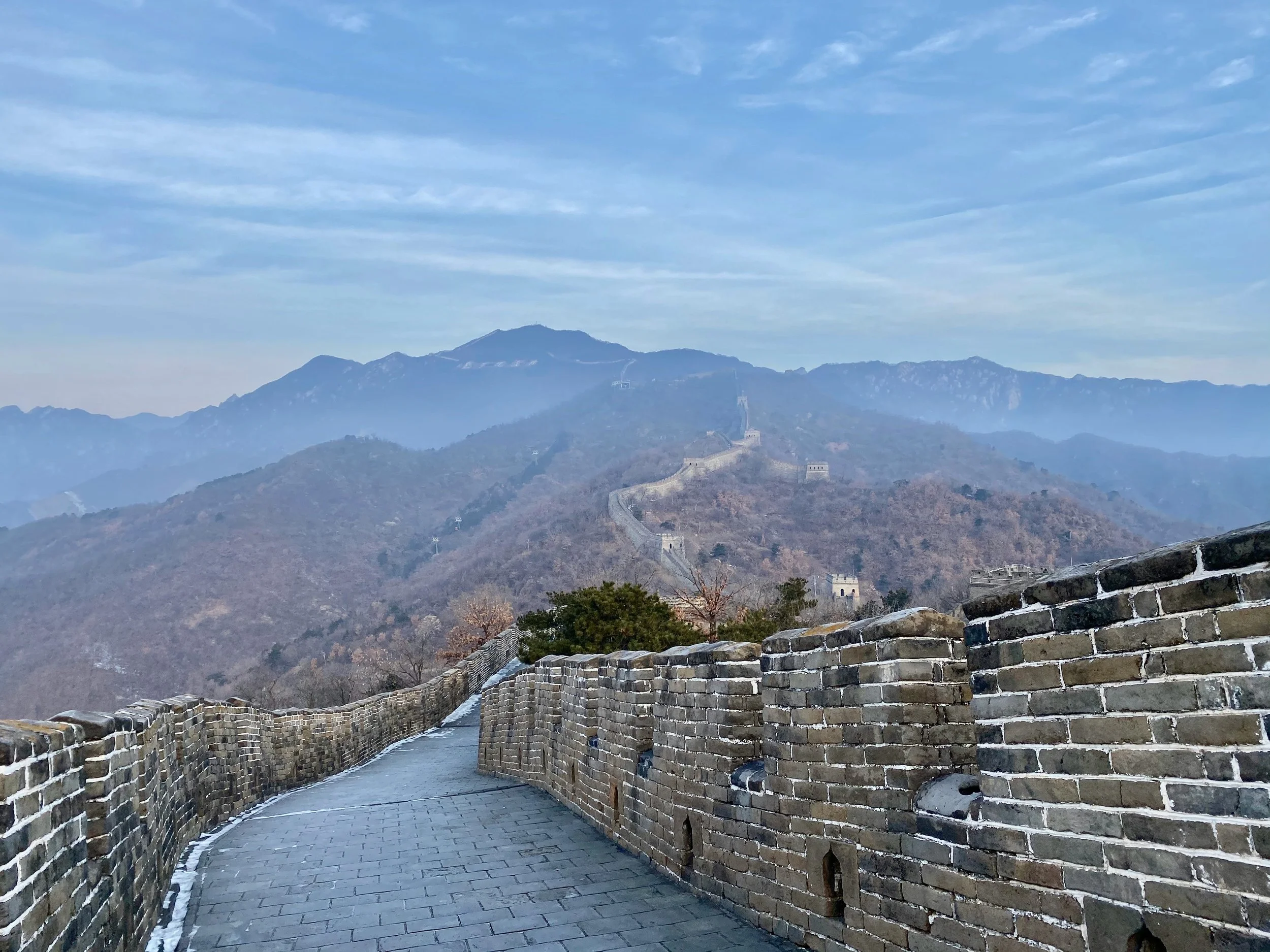
10 days · Beijing, Xi'an, Shanghai
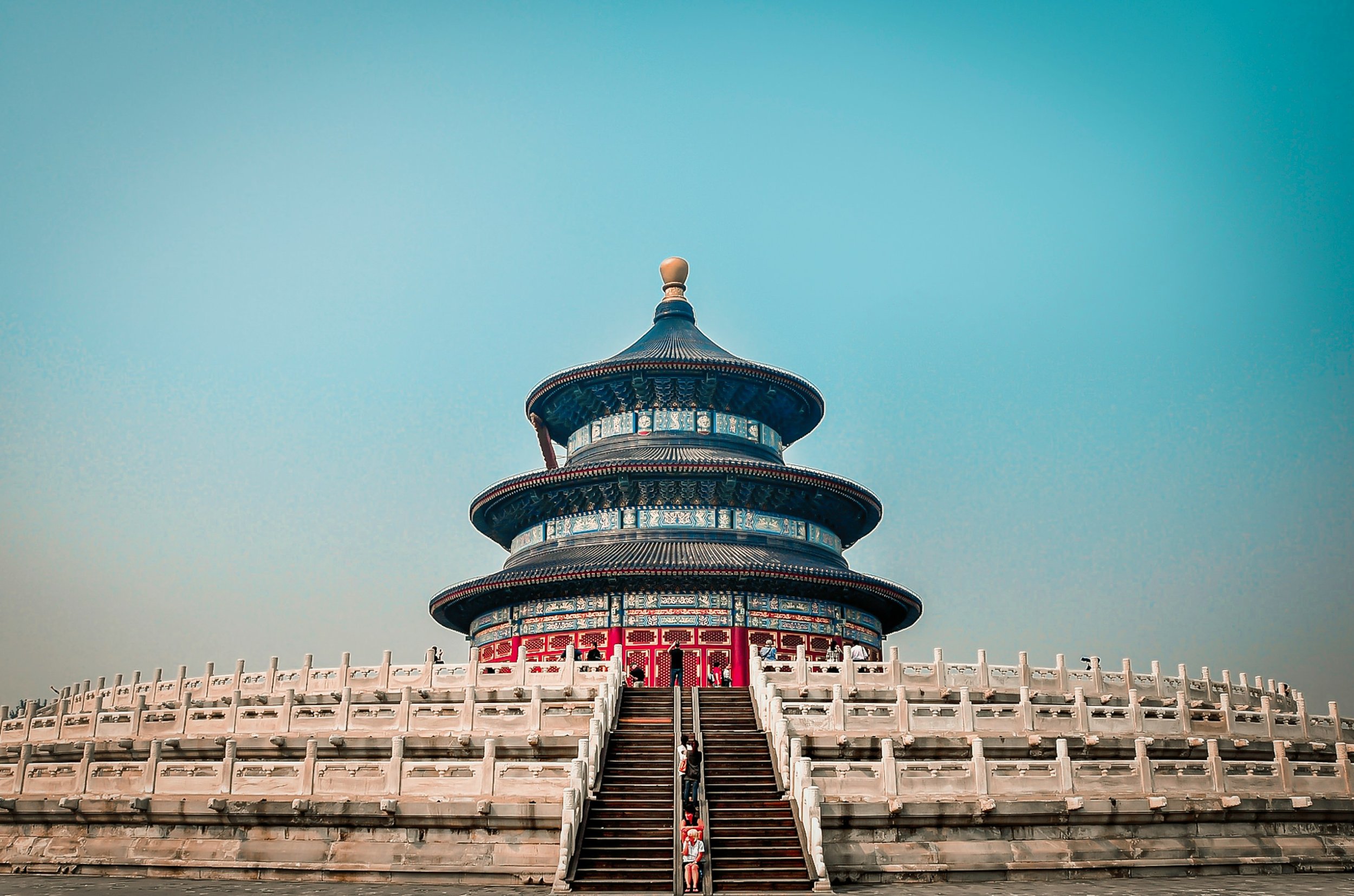
7 days · Beijing, Xi'an